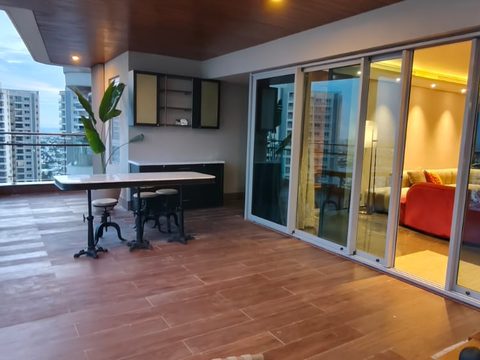

Choose between Phoenix Kessaku developer inventory and resale by comparing the actual apartment, counterparty, documents, condition, complete cost and occupation schedule. Neither route is automatically cheaper, simpler or more suitable. A well-matched resale can outperform an unsuitable developer option for one household, while another family may prefer the specification and commercial process of an available developer residence.
The Kessaku.co.in team has supplied an indicative ₹12–50 crore project-level price range for November 2026. The range does not establish current stock through either route. Obtain dated, residence-specific offers before making the comparison.
- Neither route is automatically cheaper, simpler, faster or safer.
- Compare two defined residences on seven points: counterparty, residence, condition, commercial terms, documentation, possession and costs.
- Use one budget endpoint for both: completed purchase, handed-over apartment or a home ready to occupy.
- Move-in timing depends on the specific residence, not on the route label.
In this guide
- First establish what each route actually means
- Compare two defined residences, not two labels
- Where developer inventory may suit a buyer
- Where resale may suit a buyer
- Compare the same complete-cost boundary
- Interior condition can outweigh a headline difference
- Timing is a property-specific question
- Use advisers for the questions each route creates
- Two hypothetical families, two sensible routes
- Recognise when neither available option is right
- The buying takeaway
- Frequently asked questions
First establish what each route actually means
A developer purchase generally involves acquiring a residence from the relevant selling entity under its documented commercial terms. Verify the entity, its authority and the exact documents proposed for the transaction. A project brand is not a substitute for identifying the contractual seller.
An owner resale generally involves acquiring an existing owner’s rights in the apartment. Establish the owner’s acquisition history, authority and obligations. Offers described as investor inventory or assignments need their structure explained rather than being forced into a simple developer-versus-resale label.
An adviser may introduce homes through more than one route. What matters is transparent identification of the counterparty, the property and the basis on which the sale can proceed.
Compare two defined residences, not two labels
An abstract comparison can be misleading because the available homes may differ substantially. A finished owner apartment and an unfinished developer residence are not equivalent products simply because they share a tower or approximate advertised size.
| Comparison point | Developer offer: establish | Resale offer: establish |
|---|---|---|
| Counterparty | Selling entity and authority | Owners and any authorised representatives |
| Residence | Exact unit, plan and specification | Exact unit, current layout and alteration history |
| Condition | Agreed delivery specification and pending works | Present condition and retained interiors |
| Commercial terms | Dated quotation and payment conditions | Asking terms, inclusions and negotiation conditions |
| Documentation | Applicable project and transaction documents | Ownership chain and relevant transaction documents |
| Possession | Delivery conditions and outstanding steps | Vacancy, occupation status and handover terms |
| Costs | Explicit inclusions, exclusions and initial charges | Price, additional charges and settlement of dues |
Use the same family brief for both columns. Otherwise, the search can drift into comparing the best qualities of one option with an imagined ideal version of the other.
Related guideTo get two defined candidates, build a residence-wise sale shortlist first.
Where developer inventory may suit a buyer
A developer option may appeal when its available plan fits the family, its delivery condition is clearly specified and the proposed commercial process suits the buyer’s funding and timing. The important word is “available”: historical launch plans do not establish present choice.
If the buyer wants to influence finishes or internal arrangements, ask what can actually be changed, under what approvals and by whom. A brochure’s reference to customisation does not guarantee unrestricted works for an individual purchase.
Review the exact scope of responsibility for unfinished items and defects. Ask how inspections, snagging, rectification and final handover will be documented. These questions help turn a broad specification into an assessable delivery proposition.
Where resale may suit a buyer
A resale can appeal when the specific home has the desired orientation, plan, floor or established interiors. It may allow the buyer to assess the apartment in its current condition, subject to access and appropriate inspection.
That visibility is useful, but does not remove documentary or technical questions. Existing changes, equipment condition, pending obligations and the seller’s possession arrangements all need review.
A finished home can also involve a compromise: the buyer may pay for interiors that do not suit the family. Decide which elements have real retained value and which would be removed. The original owner’s expenditure should not become the buyer’s valuation without examination.
Related guideFor the owner-sale route in detail, see how to assess a Kessaku resale apartment.
Compare the same complete-cost boundary
Choose a consistent endpoint for the budget: a legally completed purchase, a handed-over apartment or a home ready for your family to occupy. These endpoints can produce different comparisons.
For both routes, identify consideration, applicable transaction expenses, professional fees, initial property payments, interior works and transition costs. Separate recurring ownership from one-time acquisition, while ensuring the family can fund both.
Avoid unsupported assumptions about taxes or statutory charges. Have current treatment checked against the actual documents and payment structure. A marketing label such as “resale” or “OC received” does not answer every question about separately charged services, contractual arrangements or the parties’ obligations.
Related guideThe price guide helps you compare complete acquisition costs, and the ownership guide covers recurring maintenance and upkeep.
Interior condition can outweigh a headline difference
Suppose one option has a lower asking price but needs a complete interior programme. Another costs more but requires only selective changes. The comparison should include the design scope, execution period, temporary housing and the family’s ability to supervise work.

This does not make finished homes universally preferable. A buyer who wants a highly personal interior may reasonably choose the less finished residence, especially if most existing finishes would otherwise be discarded.
Obtain a credible scope and programme before comparing. A casual allowance can underestimate the work needed, while a seller’s lavish description can overstate the value of what remains. Use professional estimates proportionate to the decision.
Timing is a property-specific question
Neither route guarantees immediate occupation. A developer home may have pending finishing or documentation steps. A resale may be occupied, tenanted, mortgaged or awaiting a coordinated move.
Create a timetable that separates diligence, agreement, financing, registration, vacant possession, works and occupation. Identify dependencies and the evidence needed to close each one.
For a relocating family, a modest difference in price may matter less than the consequences of an uncertain move. For a buyer already comfortably housed in Bengaluru, a longer programme may be acceptable if it produces a better long-term home.
Use advisers for the questions each route creates
Your property lawyer should establish the document and authority requirements for the proposed transaction. Technical advisers should assess layout, condition, alterations and any intended work. Your tax adviser and lender, where relevant, should review their respective requirements.
Ask each professional to distinguish confirmed findings from assumptions. A bank’s willingness to consider financing does not substitute for every other review the buyer may need. Equally, a legal opinion cannot establish whether the family will enjoy the layout or whether equipment performs well.
Bring the findings together before finalising commercial conditions. A material issue discovered late can change both the programme and the economic comparison.
Two hypothetical families, two sensible routes
A hypothetical family returning from overseas wants a functioning home with minimal initial work. A particular resale could suit them if its layout, condition, ownership review and vacant-possession terms are satisfactory. They should still budget for servicing and changes.
Another hypothetical household wants to create an interior around multigenerational living and has no urgent move date. A suitable developer option may appeal if the permitted work, specification and delivery arrangements are clear.
Reverse the facts and the choices could reverse. A finished developer home might suit the first family; an owner’s unfinished residence might suit the second. The route label does not determine the outcome.
Recognise when neither available option is right
A disciplined buyer can reject both offers. If one fails an essential room requirement and the other depends on an unacceptable possession assumption, neither becomes suitable merely because the family has already spent time viewing.
Return to the brief and identify what could change: timing, configuration, fit-out preference or search area. Avoid changing several essential requirements simply to make an available apartment appear to fit.
A smaller, well-evidenced shortlist is more useful than an expanding collection of conditional options with unresolved fundamentals. The purchase should solve the family’s housing problem, not merely end its search.
The buying takeaway
Compare developer inventory and resale through equivalent evidence and a common move-in budget. The better route is the one offering a suitable residence, an understandable transaction, acceptable condition and a delivery plan that works for your household.
For a tailored comparison and private viewing request, contact Kessaku.co.in on +91 98205 75619. Share your family brief and preferred occupation window so that the options can be assessed consistently.
Frequently asked questions
Is developer inventory safer than resale?
Neither route should be treated as automatically safe. Verify the counterparty, property documents, authority, condition, obligations and completion sequence appropriate to the actual transaction. Obtain independent professional advice where required.
Does resale offer a better price?
It can only be assessed against comparable current offers. Condition, area definitions, inclusions, possession and additional costs can change the result. A lower asking figure does not by itself establish better value.
Which route is faster for moving in?
The specific residence determines this. Confirm documentary readiness, vacancy, pending works, funding and handover arrangements. A furnished apartment can still have unresolved possession conditions; an unfinished home needs an occupation programme.
Can I customise a developer apartment?
Ask what is permitted for that residence and record the answer in the appropriate documents. Technical, approval and management constraints may apply. Published design options do not establish unrestricted permission.
Should I shortlist both routes?
Yes, if both can meet your requirements and you compare them on the same basis. Ask for a small number of defined options rather than assuming that either route must be superior before reviewing the homes.