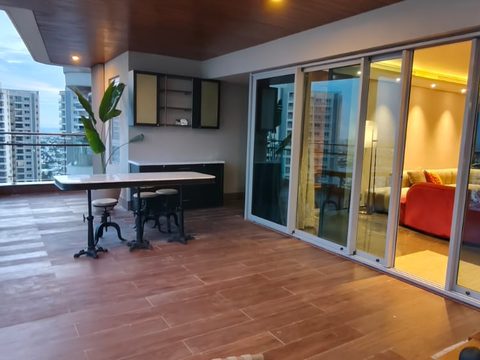

A Phoenix Kessaku resale apartment should be assessed as a specific owner’s property, with its own title history, condition, inclusions and possession arrangements. The development’s reputation helps explain why a buyer may consider it; it does not establish that a seller has clear authority, that a layout is approved or that an advertised home remains available.
Kessaku.co.in is using an indicative ₹12–50 crore price range supplied by its team in November 2026. Resale asking terms require residence-wise confirmation. No unit in this guide is represented as currently available, independently title-verified or ready for immediate completion.
- Assess a resale as one owner’s property: title history, selling authority, condition, inclusions and possession terms.
- Run four connected reviews: ownership, property, liabilities and delivery.
- An encumbrance certificate or tax receipt is not a complete title opinion. Let a property lawyer lead the document request.
- Resale is a purchase route, not a reliable sign of discount, condition or convenience.
In this guide
- Start with the actual selling proposition
- Treat availability as dated information
- Organise due diligence into four connected reviews
- Build a lawyer-led document request
- Match the apartment to the approved record
- Inspect the condition behind the interiors
- Agree what stays with the home
- Review running costs and pending obligations
- Connect payment to the completion sequence
- A hypothetical finished-home decision
- The buying takeaway
- Frequently asked questions
Start with the actual selling proposition
Ask what is being sold, by whom and on what basis. A completed owner sale, an assignment of contractual rights and a developer-related offer can involve different documents and steps. Have the proposed structure explained before treating every “investor unit” as an ordinary resale.
Request the tower, residence identity, ownership details, current occupation status and a clear explanation of the marketing authority. Where privacy limits the initial disclosure of documents, agree an orderly process through the relevant advisers.
A serious seller’s preference for discretion need not prevent proper diligence. The objective is to share necessary information securely with legitimate participants, while ensuring that confidentiality does not become a reason to leave fundamental questions unanswered.
Related guideUnsure which route fits? Compare resale with developer stock before shortlisting.
Treat availability as dated information
A resale advertisement can outlive the seller’s decision to sell. The same residence may appear through several intermediaries with different prices, photographs or descriptions. That does not necessarily mean several separate homes are available.
Ask the team to reconcile duplicates and confirm the latest asking terms with an authorised party. Before travelling, confirm the viewing appointment and whether the apartment is occupied, furnished, under work or subject to access restrictions.
Before making an offer, recheck the status. The seller may have changed the price, accepted another proposal or altered the intended possession date. A dated shortlist is a working record, not a guarantee of continued availability.
Related guideThe same freshness checks apply when you build a Kessaku sale shortlist.
Organise due diligence into four connected reviews
| Review | Main question | Evidence or action |
|---|---|---|
| Ownership | Can the proposed seller convey the intended rights? | Lawyer-led review of title, authority and relevant records |
| Property | Does the residence match its documentation? | Plan comparison and technical inspection |
| Liabilities | What obligations or outstanding amounts affect completion? | Relevant statements, confirmations and transaction documents |
| Delivery | What exactly will the buyer receive, and when? | Inclusions schedule, possession terms and handover record |
These reviews should inform each other. A beautifully finished apartment may contain changes that need documentary clarification. A clear commercial agreement may still require a lender-release sequence. Treat unresolved issues as conditions to resolve, not details to assume away.
Build a lawyer-led document request
Ask your property lawyer to tailor the checklist to the ownership and transaction structure. It may include the seller’s acquisition documents, relevant prior title material, property identification records, encumbrance searches, authority documents and applicable approvals or certificates.
The list should also address co-owners, representatives, lenders and any other parties whose participation is necessary. If a power of attorney is involved, its validity and scope require specific review.
An encumbrance certificate or a tax receipt should not be treated as a complete title opinion. Different documents answer different questions. Ask the lawyer to explain what has been established, what remains open and which conditions should be satisfied before money moves.
Match the apartment to the approved record
Walk through the residence with its plan. Compare walls, entrances, room uses, balconies, service areas and any combined spaces. Ask about changes made by the current or earlier owners.
Do not assume that a polished interior establishes approval for every alteration. Structural, service, façade and common-area implications need appropriate technical and documentary assessment. If a room or enclosed area appears only in the marketing description, seek clarification before assigning it value.
The area statement also needs careful reading. Compare like definitions and request a separate explanation of decks, terraces and any other exclusive-use spaces. A photograph cannot establish legal entitlement to outdoor or adjacent space.
Related guideThe floor plans guide covers how to read plans and area statements for a specific residence.
Inspect the condition behind the interiors
A resale viewing should include more than the principal rooms. Check kitchens, bathrooms, utility areas, storage, windows and accessible service points. Look for signs of leakage, repaired finishes and equipment that may need attention.
Arrange appropriate professional inspection where needed. Ask which tests can be conducted, what access is necessary and whether concealed systems require additional investigation. A general viewing should not be represented as a comprehensive technical survey.
Record the condition of equipment the buyer intends to retain. Confirm brands and model details where relevant, but focus on working condition, servicing, documentation and replacement implications. Attractive fittings can still have a limited remaining useful life.
Agree what stays with the home
Prepare a detailed inclusions schedule. Separate fixed fittings, appliances, built-in joinery, automation, curtains and loose furniture. Identify items expressly excluded from the sale.

Photographs should support the schedule, not replace it. A furnished viewing may contain art, decorative lighting or furniture that the owner intends to remove. If their removal affects finishes, ask how the apartment will be reinstated.
For valuable equipment, ask about manuals, service records and warranties where available. Any promise that a warranty transfers should be checked against its terms. The buyer should know both what remains and what responsibility accompanies it.
Review running costs and pending obligations
Request recent maintenance statements and clarification of applicable deposits, dues, membership terms and any notified extraordinary expenditure. Identify who will settle outstanding amounts and how the position will be confirmed at completion.
Ask about the costs that sit outside maintenance: utilities, municipal charges, private household services and equipment upkeep. The seller’s spending may reflect a different household, so use actual records as inputs rather than a promise of your future bill.
Where a special repair or capital contribution has been discussed, ask for the relevant documentation. Clarify its status and treatment in the transaction instead of assuming it belongs automatically to one party.
Related guideFor the full recurring picture, check ongoing ownership costs.
Connect payment to the completion sequence
Your advisers should coordinate the commercial agreement, document review, lender requirements if any, funding, registration and possession. Each step should identify the responsible party and the conditions that apply.
Where the seller has an outstanding loan, understand how the lender’s requirements and release of documents will be handled. Where the apartment is tenanted, clarify the intended delivery basis and have the tenancy implications reviewed.
Do not assume that a token payment is harmless because it is relatively small compared with the purchase. Understand the written terms, refund conditions, deadlines and unresolved diligence points before committing.
A hypothetical finished-home decision
Consider a hypothetical family attracted to a furnished resale because it appears to avoid a long interior programme. The plan suits their bedrooms and study requirements, but inspection identifies equipment replacements and a kitchen arrangement they would change.
The family may still proceed if the complete cost, work period and possession terms remain acceptable. Another family may prefer a less finished option because it would otherwise remove most of the existing interiors.
The lesson is to compare the retained value of the actual home. “Resale” is a purchase route, not a reliable description of condition, convenience or discount.
The buying takeaway
The strongest resale candidate combines a suitable apartment with an understandable ownership history, documented rights, an acceptable condition and a workable completion plan. If one of these remains uncertain, resolve it before treating the transaction as ready.
To request relevant resale options and a private viewing, contact Kessaku.co.in on +91 98205 75619. Independent legal and technical advisers should review the property-specific questions within their remit.
Frequently asked questions
Are Phoenix Kessaku resale apartments currently available?
Request a fresh shortlist. An online advertisement or a historic inventory table does not confirm current availability. The seller’s authority, latest asking terms and permission to arrange access should be checked.
Is resale always cheaper than developer inventory?
No. Compare the actual residences, documented area, condition, inclusions, transaction structure and complete acquisition cost. An owner’s asking price is not proof of a discount or evidence of a completed market transaction.
Which documents should I ask for first?
Start with residence identity, the seller’s ownership and authority, acquisition documents and the proposed transaction structure. Your lawyer should then tailor the complete request to the property and parties involved.
Can I rely on the furnishings shown in photographs?
Only items included in the agreed schedule should be treated as part of the purchase. Confirm exclusions, equipment condition and the treatment of any damage caused by removing the seller’s belongings.
What if the resale apartment has a tenant or a loan?
Either circumstance needs a clear, adviser-reviewed completion process. Establish possession terms, lender requirements where applicable and the sequence of documents and payments before committing to a timetable.