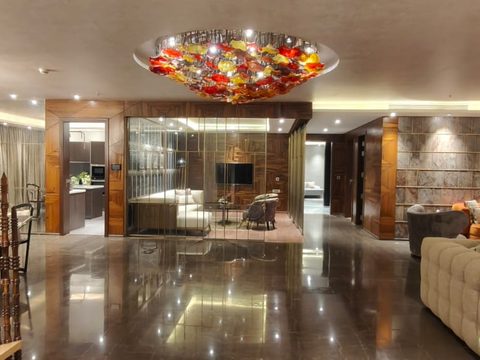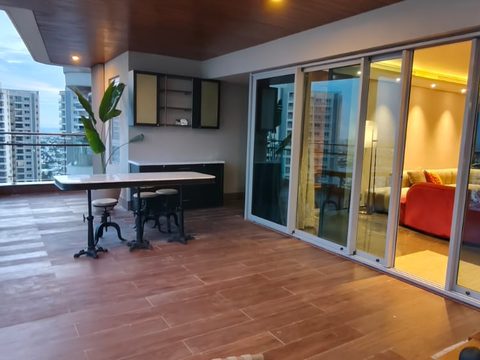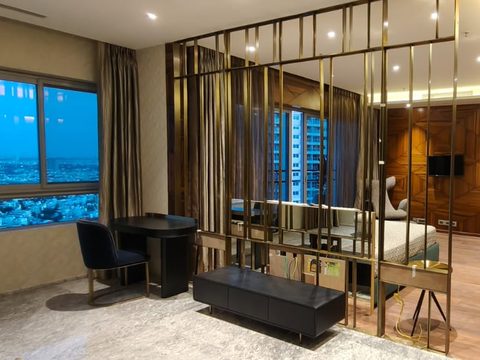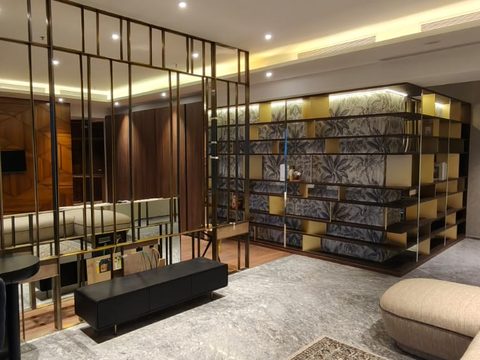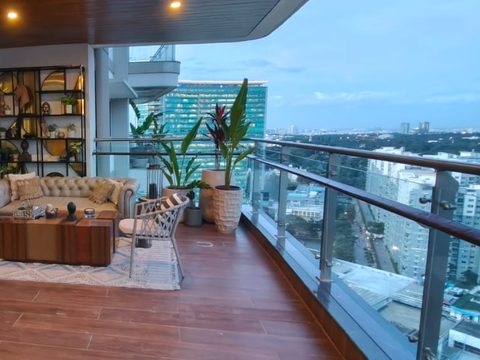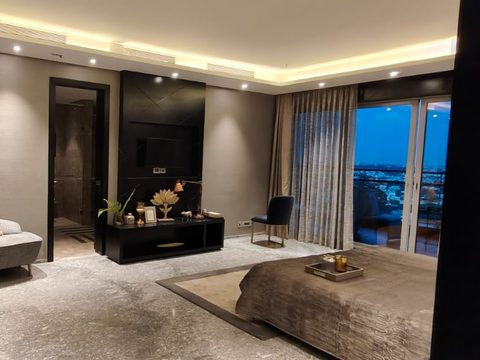
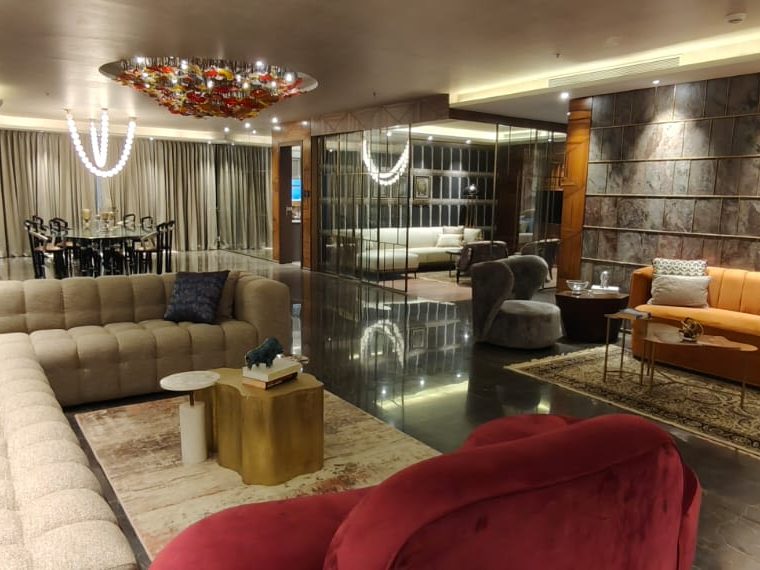
Phoenix Kessaku enquiries should currently be planned within an indicative ₹12–50 crore price range, as advised by the Kessaku.co.in team in November 2026. This is a project-level guide, not a verified asking price for every tower or a quotation for an available apartment. The meaningful comparison is the cost of a particular residence, its documented area, condition, rights and time to occupation.
For a family choosing a substantial Bengaluru home, the difference between two offers can extend well beyond the headline price. One may include usable interiors, another may require extensive work, and a third may suit the family better despite a smaller advertised area. Establish what you are buying before deciding what represents value.
- Indicative range: ₹12–50 crore, supplied by the Kessaku.co.in team for November 2026. It is a project-level guide, not a quotation for any tower or apartment.
- A tower name does not set a price. Layout, measured area, floor, condition, inclusions and the seller’s terms do.
- Compare price per square foot only when both homes use the same area definition (carpet, built-up or saleable).
- Budget in six layers: residence consideration, transaction costs, initial property payments, interior works, transition and recurring ownership.
In this guide
- What the ₹12–50 crore range tells you
- Why tower-wise prices need residence-wise evidence
- Compare the same area definition
- Build the complete acquisition budget
- Fit-out can change the meaning of a price
- Establish what parking and club access mean
- Compare time to occupation alongside price
- A hypothetical comparison: two families, different value
- Questions to ask before negotiating
- The buying takeaway
- Frequently asked questions
What the ₹12–50 crore range tells you
The range establishes the broad buying conversation at Phoenix Kessaku. It does not establish that a home is available at either endpoint, allocate a price band to each tower or determine the final transaction value.
An asking price is the amount a seller seeks. A developer quotation is a commercial proposal with specified inclusions and payment terms. A registered transaction is a completed sale recorded through its documents. These are different forms of evidence and should be labelled accordingly.
A useful quotation identifies the tower, residence, floor, area basis, seller, fit-out condition, inclusions, exclusions and validity date. Without these details, two prices that appear directly comparable may describe materially different purchases.
Why tower-wise prices need residence-wise evidence
Phoenix Kessaku comprises Sora, Niwa, Mizu, Faia and Zefa. The developer publishes different residential formats across these towers. Those differences justify a tower comparison, but do not support a universal price ranking.
| Tower | Question to resolve before comparing prices | Evidence to request |
|---|---|---|
| Sora | Which layout and finish condition does the offer concern? | Residence-specific plan and specification schedule |
| Niwa | How is its quoted space measured and arranged? | Area statement and approved layout |
| Mizu | Is the offered home simplex or duplex? | Plan identifying levels, access and private outdoor areas |
| Faia | Which configuration and floor arrangement apply? | Current unit plan and neighbouring-unit arrangement |
| Zefa | Which published format corresponds to the actual residence? | Unit identification, plan revision and physical inspection |
Treat this as a quotation checklist, not an availability table. No live, owner-authorised unit register accompanies this guide. A tower name alone cannot tell you which homes can presently be inspected, reserved or purchased.
Related guideStart with the five Kessaku towers compared by published format, then build a residence-wise sale shortlist.
Compare the same area definition
A price per square foot is useful only when the denominator is consistent. Carpet area, built-up area and saleable or super built-up area are not interchangeable. A large deck may be important to your lifestyle while remaining separately identified from internal floor area.
Ask for an area statement that separates the apartment’s documented internal area, balconies or decks, exclusive terraces if applicable, and any other components used in the advertised total. Request the measurement basis rather than assuming a percentage conversion.
For two shortlisted homes, place the same area category beside the respective price. Then look beyond the arithmetic: bedroom dimensions, wall positions, corridors, storage and furniture clearances determine how effectively the family can use the space.
A home with generous entertaining rooms may be excellent for frequent hosting yet less suitable for a family needing an additional everyday bedroom. Its price should be assessed against the household’s use, not simply its largest room.
Related guideThe floor plans guide shows how to understand area definitions on a residence plan.
Build the complete acquisition budget
The amount paid for the apartment is one part of the purchase. A complete budget separates acquisition, occupation and recurring ownership.
| Budget layer | Items to establish | Why it matters |
|---|---|---|
| Residence consideration | Agreed price and documented inclusions | Establishes the actual commercial offer |
| Transaction costs | Applicable statutory charges and professional fees | Prevents confusing property price with completion funding |
| Initial property payments | Any applicable deposits, advances or membership-related payments | Identifies cash needed around handover |
| Interior works | Design, construction, equipment and furniture | Determines the practical cost of moving in |
| Transition | Temporary accommodation, moving and overlapping housing costs | Captures the consequences of the occupation schedule |
| Ownership | Maintenance, utilities, taxes and private household services | Tests the home’s ongoing financial fit |
Do not insert a blanket statutory percentage into this table. Ask your advisers for a current calculation based on the documents, parties and transaction structure. Confirm which payments go to the seller, the government, the property manager and professional advisers.
For tax treatment, a short label such as “ready to move” is insufficient evidence. Have the relevant certificates, consideration dates and any separately charged services reviewed before relying on a tax assumption. This is especially useful when comparing a developer purchase with an owner sale.
Related guideFor the ownership layer, review recurring maintenance and ownership costs separately.
Fit-out can change the meaning of a price
A photograph of a furnished home does not establish what is included. Ask for a room-by-room schedule covering flooring, wardrobes, kitchens, appliances, air-conditioning, lighting, bathrooms, automation and loose furniture.

A bare or partly finished home can suit a buyer who wants control over design and has time to oversee the work. A finished residence can suit a family facing a school admission date or relocation deadline. Neither condition is inherently better value.
Existing interiors also need a condition assessment. Equipment may require servicing, warranties may not transfer, and an attractive kitchen may still fail your household’s cooking requirements. Replacement costs and disruption belong in the comparison.
Before assigning value to fit-out, ask your designer which elements the family would retain. The seller’s original expenditure does not automatically equal the buyer’s benefit.
Establish what parking and club access mean
Parking should be reviewed by location, dimensions, access and documented entitlement. A nominal count does not reveal whether the family’s vehicles can enter, turn and park comfortably. Check visitor arrangements separately.
Similarly, a reference to clubs or amenities does not establish unrestricted access to every facility for every resident, guest or tenant. Request the applicable membership, transfer, usage and charging terms for the residence being considered.
These issues can affect both the initial comparison and everyday satisfaction. A family that regularly entertains may attach considerable value to guest access arrangements; another may use very few shared facilities. Evaluate the rights you receive and the rules you would live with.
Compare time to occupation alongside price
Registration, possession and comfortable occupation are separate milestones. A residence may be available for a sale while still needing works, documentation, equipment testing or a vacant-possession arrangement.
Ask for a realistic sequence: document review, commercial agreement, funding, registration, handover, fit-out permissions, execution and final inspection. Identify the party responsible for each outstanding item.
A lower headline price may remain attractive even after a longer preparation period. For another household, avoiding temporary housing and repeated moves may justify paying more for a suitable finished home. Express this as a family-specific trade-off, not a general rule about the project.
Related guideTiming also depends on the purchase route, so compare developer inventory and resale on the same basis.
A hypothetical comparison: two families, different value
Consider two hypothetical households reviewing similarly priced Kessaku options. One family lives comfortably nearby and wants to create a long-term home around an art collection. The other is relocating with parents and children and needs a functioning home before the school term.
The first family may prefer a layout that permits a carefully planned interior, provided approvals and technical constraints are understood. The second may prioritise completed bathrooms, usable kitchens, accessibility and a dependable handover sequence.
Both should compare documented space and complete costs. Their decisions can reasonably differ because the value of design freedom and the cost of delay differ. Neither scenario implies that a specific residence is available.
Questions to ask before negotiating
Start negotiations after the offer is sufficiently defined. Ask whether the quotation covers the exact residence inspected, which items remain with it, what charges are additional and when vacant possession can be delivered.
Request clarification of any mismatch between the plan, the sale description and the apartment. Establish who can accept the offer and whether all necessary owners or authorised representatives are involved.
A useful negotiation can concern the inclusions schedule, completion timetable or treatment of outstanding works as well as price. Record the agreed commercial understanding through the appropriate documents, rather than relying on messages that leave material details open.
The buying takeaway
Use ₹12–50 crore to frame your Phoenix Kessaku search, then replace broad comparisons with residence-specific evidence. The best-informed decision connects price with documented area, family suitability, condition, rights, complete acquisition cost and time to occupation.
For a suitable shortlist and a private viewing request, contact Kessaku.co.in on +91 98205 75619 with your family’s requirements and intended purchase window.
Frequently asked questions
What is the current Phoenix Kessaku price range?
The Kessaku.co.in team has supplied an indicative ₹12–50 crore range for November 2026. Obtain a dated quotation for a specific residence; this range does not confirm stock or an offer at either endpoint.
Are prices the same across the five towers?
A tower name is insufficient to establish price. The residence’s format, measured area, floor, condition, inclusions and seller’s terms all need comparison. Request a quotation and plan for each actual option.
Can I compare apartments by price per square foot?
Yes, once the area definitions match. Do not compare one home’s carpet-area rate with another home’s saleable-area rate. Review outdoor space and the efficiency of the internal layout separately.
Does the quoted price include interiors and parking?
Only a written inclusions schedule and the relevant property documents can establish this. Confirm fixed interiors, appliances, furniture, parking entitlements and any separate charges before making a decision.
Does ready-to-move mean there are no additional costs?
No. Transaction expenses, recurring ownership costs, any applicable initial property payments and the work required for your household must still be established. Physical condition and documentary readiness need separate checks.