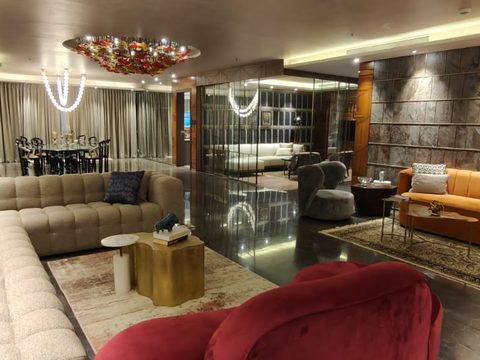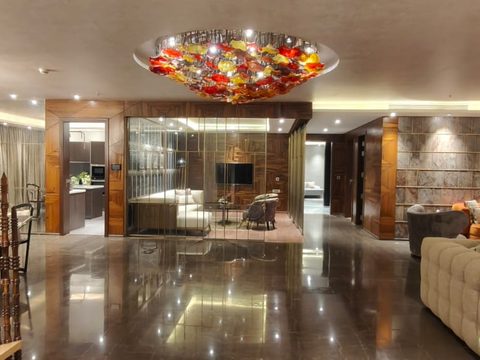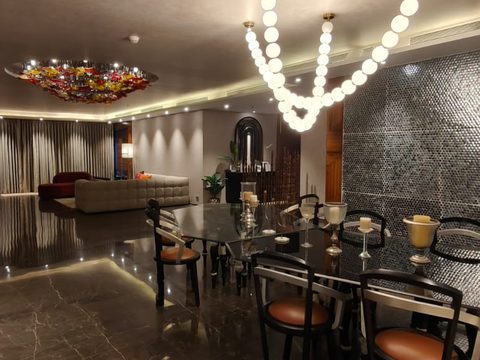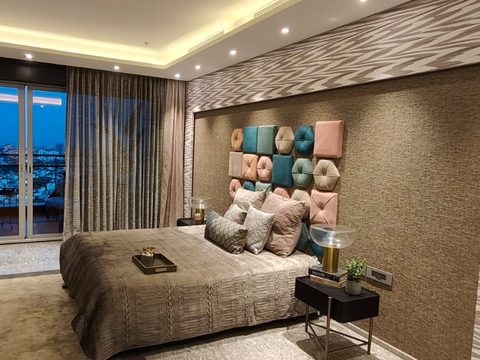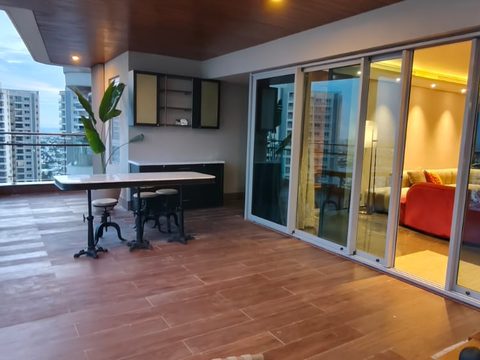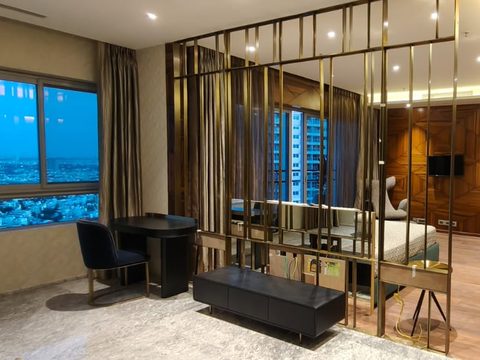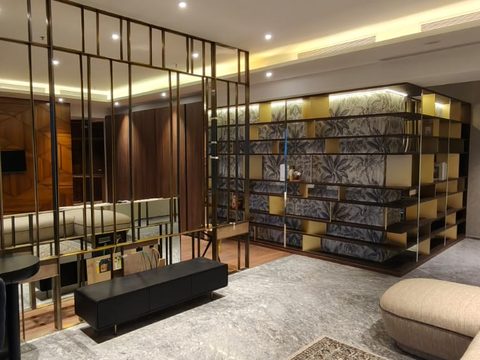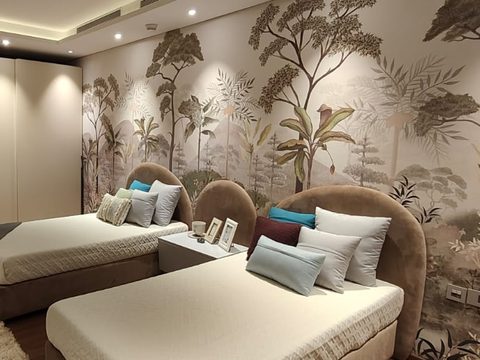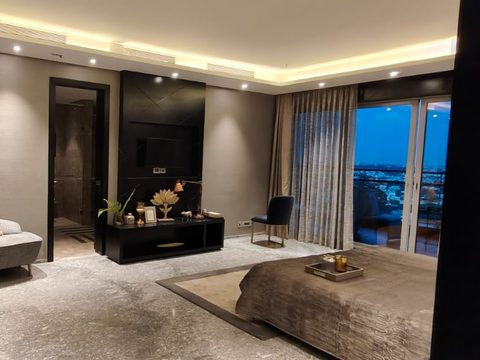
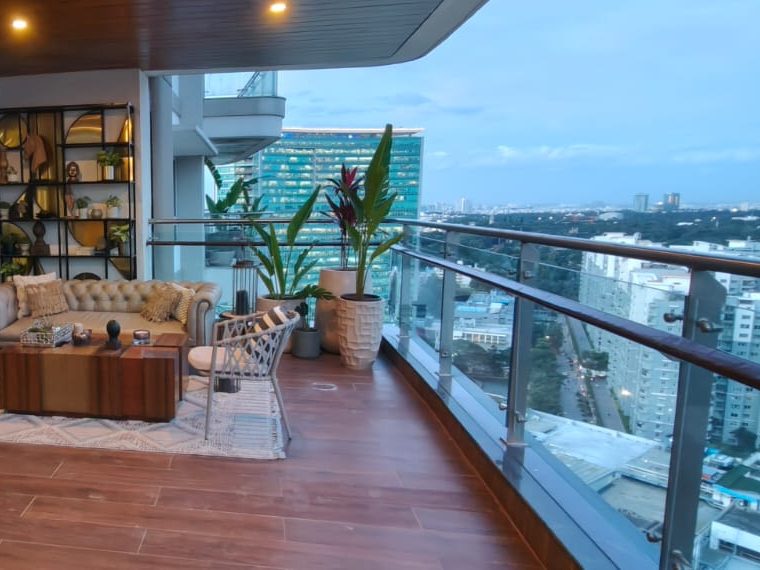
Phoenix Kessaku is located at No. 1, Dr Rajkumar Road, Rajajinagar, Bengaluru. The developer presents its setting in relation to nearby Orion Mall, World Trade Center and Sheraton. For a buyer, the useful question is how the address supports the household’s actual journeys, daily needs and preferred way of living.
Evaluate the location from the apartment door to the destination you use. A landmark can be geographically close while the practical route involves a particular entrance, road crossing, vehicle movement or access arrangement. Brochure distances should introduce the investigation, not replace it.
- Address: No. 1, Dr Rajkumar Road, Rajajinagar, Bengaluru.
- The developer presents the setting in relation to Orion Mall, World Trade Center and Sheraton.
- Test three scales of access: within the property, the immediate surroundings and the wider city.
- Treat published distances and travel times as indicative. Test your own journeys at the hours you travel.
In this guide
- Understand the address in its wider setting
- Evaluate three scales of access
- Orion Mall and World Trade Center: assess the route
- Walk the immediate area personally
- Test office travel at the right time
- Evaluate Metro access as a complete journey
- Schools and healthcare need specific checks
- Airport trips should reflect your travel pattern
- Judge the home’s relationship with urban activity
- A hypothetical household location test
- Make a weekly movement sheet
- The location takeaway
- Frequently asked questions
Understand the address in its wider setting
Kessaku belongs in a Rajajinagar home search, with relevance to buyers considering the surrounding western Bengaluru neighbourhoods. Its connection with the Orion Mall and World Trade Center area makes it worth examining for families whose routines already involve this part of the city.
That does not make it equally convenient for every Bengaluru household. A family travelling daily to distant workplaces may reach a different conclusion from one based in western Bengaluru. Location quality is partly a relationship between the address and the people using it.
Before planning viewings, mark the destinations that matter most: work, school, parents, regular healthcare, social commitments and airport travel. Give daily trips more attention than occasional destinations that merely sound impressive on a map.
Related guideFor the wider neighbourhood decision, read the guide to luxury apartments in Rajajinagar.
Evaluate three scales of access
| Scale | What to examine | Why it matters |
|---|---|---|
| Within the property | Apartment, lift, parking and pedestrian exit | Reveals the first and last part of every journey |
| Immediate surroundings | Entrances, crossings, footpaths and local vehicle routes | Tests whether nearby destinations are practical to reach |
| Wider city | Actual work, school, airport and family routes | Establishes the address’s fit with the household’s week |
An address can perform well at one scale and less well at another. A convenient car route does not establish a comfortable pedestrian trip. Easy access to shopping does not resolve a difficult school journey.
Orion Mall and World Trade Center: assess the route
The developer identifies Orion Mall and World Trade Center among the surrounding landmarks. Their relevance depends on whether the family actually uses their shopping, dining, work or social functions.
For a workplace nearby, trace the complete journey from the residence to the relevant office entrance. Check building access, pedestrian conditions and the hours at which the route is useful. Do not assume access through neighbouring premises without confirmation.
For shopping and leisure, assess weekday and weekend conditions separately. The destination may be useful while the surrounding area has busier periods. A residential decision should account for both convenience and the activity accompanying it.
Walk the immediate area personally
If walkability matters, test it in person. Start at the exit residents can actually use and follow the route to the intended destination. Observe pavement continuity, crossings, lighting, shade and access barriers.
Consider the least mobile member of the household. A route manageable for a fit adult may be uncomfortable for parents, children, a pram or someone carrying shopping. Weather also changes how a trip feels.
A short map distance is not a guarantee of an independent daily routine. Record what you observe and decide whether the route suits your family, including whether a vehicle remains necessary for trips you expected to make on foot.
Test office travel at the right time
Run the journey towards your actual office during the hours you normally travel. Include parking exit, pickup, route choice and arrival procedures. Repeat if the result will materially influence the purchase.
Do not compare locations using an unusually quiet appointment day. Nor should one difficult trip be treated as a permanent average. Use several relevant observations and recognise that road conditions vary.
For households with different workplaces, assess both. A location that saves substantial time for one person but creates an unacceptable daily journey for another may need a family compromise. Make that trade-off explicit rather than hiding it behind a general connectivity claim.
Evaluate Metro access as a complete journey
Developer location material refers to Metro connectivity in the area. If you intend to use it, verify the appropriate station, entrance, operating information and route through current official journey information.
Walk the approach and assess the onward trip. Include platform access, interchanges, the destination station and the last leg to work or another regular destination. A convenient station does not automatically create a convenient door-to-door journey.
For older parents or infrequent users, consider stairs, lifts, crowding and the comfort of the approach. These are practical observations to make before depending on public transport as an essential part of the home’s suitability.
Schools and healthcare need specific checks
Nearby institutions can help explain a neighbourhood, but proximity does not establish school admission, transport availability or suitability for a particular child. Contact the institution about the matters that affect your decision.
Test the school journey during relevant hours and assess pickup arrangements. A family should not commit to a home based on an assumed place or a route that has not been checked.
For healthcare, identify the actual facilities and departments the household would use. Confirm current provider details and assess routine and urgent travel separately. A broad reference to a nearby hospital does not establish the availability of every service your family may need.
Airport trips should reflect your travel pattern
For frequent travellers, test the road journey at the hours relevant to usual departures and returns. Include the practical effect of luggage, drivers, pickup arrangements and the time needed between the apartment and vehicle.
Avoid treating a brochure distance or a single mapping estimate as a promised transfer time. Road conditions, terminal requirements and the journey’s timing can change the experience.
An occasional airport trip may be less important than everyday family travel. For a household travelling often, it can deserve greater weight. Assign importance according to actual frequency and the consequences of delay.
Judge the home’s relationship with urban activity
A location near active destinations can offer convenience while bringing traffic and movement into the surrounding area. The effect on the apartment depends on its position, floor, orientation and building conditions.

Listen from principal rooms and outdoor spaces at more than one time. Observe the approach in the evening and on a busier day where practical. Ask about deliveries, visitor management and any operating arrangements relevant to the family.
Do not assume that an elevated apartment is silent, or that a lively surrounding district necessarily makes the home uncomfortable. Inspect the relationship instead of generalising from the neighbourhood’s reputation.
Related guideFloor and orientation differ by residence, so see the Kessaku towers compared.
A hypothetical household location test
Imagine a hypothetical family whose business, parents and regular social life are concentrated in western Bengaluru. Its location assessment may give substantial weight to familiar daily routes and easy access to existing relationships.
Another family may work and attend school elsewhere. For that household, the same apartment could involve more coordination despite the appeal of nearby shopping and leisure.
Both can evaluate Kessaku rationally and reach different decisions. A good location guide helps them test fit; it should not attempt to persuade every buyer that the address solves every journey equally well.
Make a weekly movement sheet
List recurring journeys with their frequency, usual time, traveller and acceptable travel burden. Separate essential trips from optional ones. Identify journeys that must work independently for parents or children.
Use this sheet during the location assessment and revisit it after actual travel tests. Record observed conditions, not just optimistic estimates. If a difficult journey can be changed through work arrangements or transport, verify the change before relying on it.
The result should inform the residence decision alongside plan, condition and cost. A home that suits the interior brief but conflicts with the family’s routine may be less successful in daily life than its first impression suggests.
Related guideWeigh the result alongside the floor plan and the complete buying cost.
The location takeaway
Kessaku’s Dr Rajkumar Road address is best assessed through actual access and the household’s weekly geography. Nearby landmarks provide context; the apartment-to-destination experience determines practical convenience.
For a private viewing and a structured assessment of the residence and its approach, contact Kessaku.co.in on +91 98205 75619. Bring a list of the journeys your family needs the address to support.
Frequently asked questions
Where is Phoenix Kessaku located?
The developer gives the address as No. 1, Dr Rajkumar Road, Rajajinagar, Bengaluru. Confirm the appropriate visitor entrance and appointment instructions before travelling for a residence viewing.
Is Phoenix Kessaku near Orion Mall and World Trade Center?
The developer identifies both as nearby landmarks. Check the actual entrance-to-entrance route and relevant access conditions rather than treating an indicative map distance as proof of convenient pedestrian access.
Can I rely on published travel times?
Treat them as indicative unless independently tested for your journey. Include building exit, parking, road conditions, destination access and the hours you normally travel. No fixed airport or office travel time is promised here.
Does Metro proximity make commuting easy?
It can be useful, but assess the whole journey. Verify the station and current route, walk the approach and include interchanges and the destination’s last leg. The answer depends on your actual trip.
How should parents assess the surroundings?
Test routes they would use, including walking, vehicle pickup and healthcare access. Look at crossings, surfaces, lighting and the apartment-to-exit journey. Independent daily comfort matters more than a list of nearby destinations.